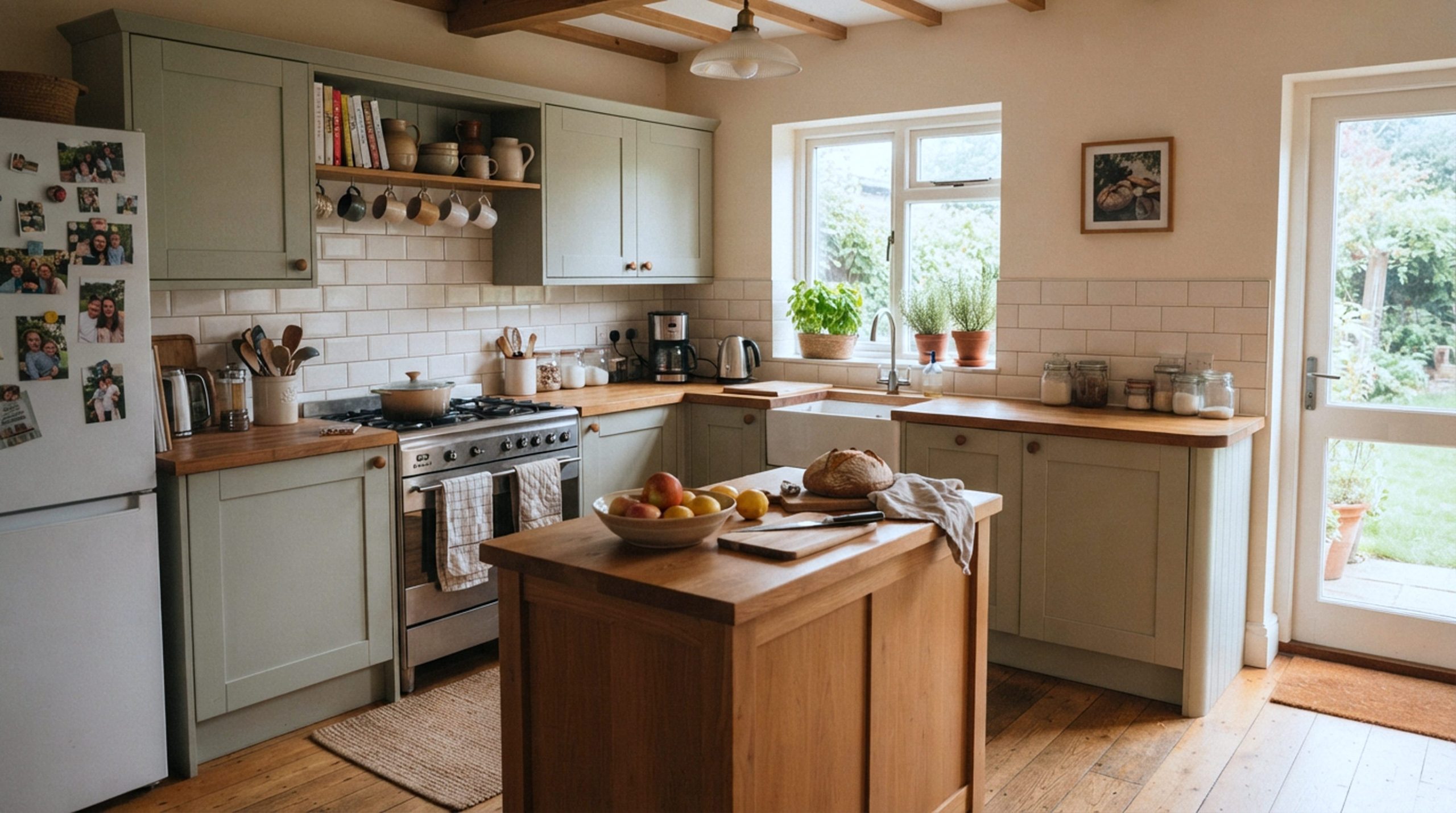
Are you tired of a cramped cooking space that no longer fits your life? If you delay the upgrade, the problems don’t sit still. Appliances fail. Storage gets tighter. This guide breaks down the real costs so you can plan the kind of “kitchen renovations near me” that people actually recommend to friends.
1. Plumbing and Gas Line Moves
Move a sink, range, or dishwasher, and you can trigger thousands in new work. Plumbing and electrical come first. Sometimes structural repairs follow. Sliding a sink across the room sounds minor. In reality, it means new supply lines and a new drain line. That single change can add $5,000 before you buy any materials. Homeowners who leave the layout alone usually save a large chunk of the budget.
At this point, talk with a kitchen remodeling consultant about keeping your existing footprint. Leave appliances where they sit. Then most drywall patching and new rough-ins drop out of the bid. You also avoid structural surprises that show up once you open the walls. This is often the simplest way to hold costs down and still get a kitchen that feels new.
2. Custom Cabinetry and Finish Carpentry
Cabinets usually eat the biggest slice of the budget. Often close to 40 percent. Many people start out thinking stock boxes will be fine. Then they see the custom inserts and pull-outs they want. They also want exact sizes. Going from semi-custom to fully custom can add $50,000 in a larger kitchen. Even if you stay stock, crown molding and other finish carpentry still add labor hours.
Lock in cabinet decisions early if you want an affordable kitchen remodeling plan and want to stay on track. If your existing boxes are solid, refacing can cut costs nearly in half compared with a full replacement. Watch these extras. They tend to creep onto the invoice:
- Custom hardware boring fees
- Specialized edge profiles and glass inserts
- Soft-close hinges and drawer glides
- Filler pieces for awkward leftover spaces
3. Hidden Electrical and Structural Damage
Older homes almost always hide surprises once drywall comes off. Outdated panels show up. You may also find damaged wiring or water damage that was never fixed. The contractor has to bring everything up to current code. A panel upgrade can run into the thousands. So can a couple of dedicated circuits for new appliances. A realistic budget assumes something will turn up behind the sheetrock.
For that reason, most pros recommend a contingency of up to 20 percent. You might find rot under a leaking dishwasher, and the subfloor has to be replaced before new flooring goes down. Reputable contractors you find when you search “kitchen renovations near me” will flag these risks early. Be ready for common repairs before you open the walls. Old knob-and-tube wiring may need rerouting. Drywall that hid mold may need replacement. Load-bearing headers behind soffits may need updates. Plumbing stacks may need to meet modern code.
4. Temporary Living and Dining Out
No working kitchen means takeout or delivery for weeks. Maybe restaurants too. A family of four that eats out once a day for seven weeks can easily spend an extra $3,000. Some people move out completely to escape the noise and dust. A short-term rental can push that number past $7,000.
Set up a temporary kitchenette somewhere else in the house to soften the hit. A microwave and hot plate help. So does a mini-fridge. Daily food costs stay lower. Clear the construction zone completely so the crew can move faster. Plan the temporary setup ahead of time:
- Microwave and toaster oven in the dining room
- Refrigerator parked in the garage
- Disposable plates, which cut down on dishwashing
- Extra budget for coffee runs and quick meals
5. Flooring Repairs and Footprint Mismatches
Change the shape of an island or pull out a peninsula, and you expose floor sections that never got finished material. If flooring once ran right up to old cabinets, you end up with bare subfloor patches. It’s often impossible to match new material to old when the original product has been discontinued. Plenty of projects end up replacing the whole floor just to make it look continuous.
Flooring replacement can add several thousand dollars fast. Leveling can too. If you’re working with a kitchen remodeling consultant, have them check floor transitions early. They can tell you whether the new layout will force a full replacement before the design is locked. Protect what’s already there during demolition. Accidental damage gets expensive quickly.
6. Allowance Pricing vs. Fixed-Rate Contracts
Many bids look low because they use material allowances. Those are placeholder numbers for items you haven’t chosen yet. If you pick a premium quartz slab when the allowance was set for a basic one, the price jumps mid-project. The “savings” disappear as soon as you make real selections. Homeowners blow budgets all the time because they never fully understood how allowances worked.
A fixed-rate contract is safer. You choose every detail before work starts. The number you were quoted stays the number you pay. Tight control over material selections is the real foundation of affordable kitchen remodeling. You’ll sleep better knowing exactly what you owe at final inspection.
7. Permit Fees and Hazardous Material Abatement
City permits and inspections are required for almost any work that touches plumbing or electrical. Structure too. Fees swing wildly by city and can hit $5,000 in some metro areas. Homes built before 1980 sometimes hide asbestos or lead paint. Professional abatement can cost another $3,000 and slow the schedule.
Don’t let anyone talk you into skipping permits to save a few dollars up front. Unpermitted work can bring heavy fines. It can also make the house harder to sell later. Remodeling Magazine’s Cost vs. Value Report shows that doing the work correctly protects resale value. Budget for the legal and safety pieces. That protects the investment over the long haul.
8. Appliance Storage and Freight Costs
Ordering materials early is smart. It also creates a new cost. You have to store big items like refrigerators and ranges. If the garage is already full, monthly storage fees add up. Rush charges for custom cabinets quietly inflate the invoice too. Expedited shipping does the same. Even regular residential freight often carries surprise accessorial fees.
Match delivery dates as closely as possible to the construction timeline to keep storage to a minimum. If you’re keeping old appliances, wrap them well and get them out of the dust. Small logistical charges add up fast when you have a dozen different shipments to manage. Stay organized. Then the money goes into the house instead of a temporary storage unit.
Take Your Next Step
A successful renovation starts when you spot hidden expenses before the first wall comes down. Lock in fixed-rate contracts. Keep the layout intact where it makes sense, but leave room for surprises that always show up. A realistic budget protects your peace of mind and gives you a kitchen you’ll actually enjoy for years. Take control of the project now. Schedule the kitchen renovations that will change the space for good.